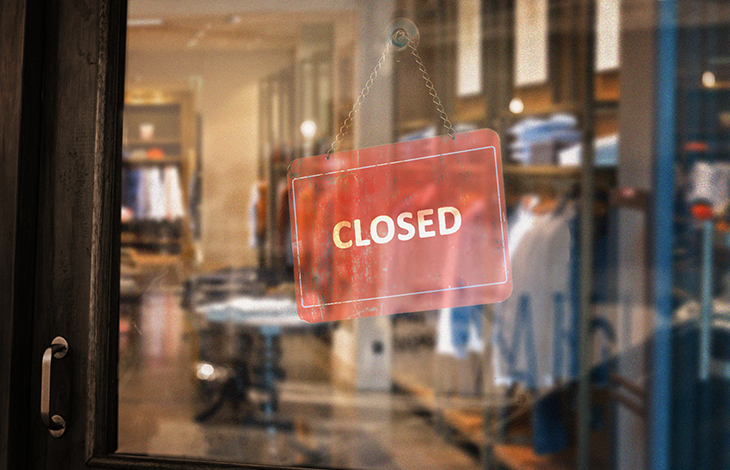
Business Interruption Insurance
What is Business Interruption Insurance?
Business interruption, also known as Loss of Profits or Consequential Loss Insurance, is a special insurance cover. It pays the business owner any fixed overheads and similar business costs following a fire, storm damage or other major events that prevent a business from trading. This insurance starts from the time of the fire until the business is back up and running to where it was before the damage occurred.
Why is Business Interruption Insurance important?
Starting and running a business always carries risks. The key financial risks can be managed by buying insurance cover like Property Damage, Public and Product Liability, and Burglary.
For businesses of any size, Business Interruption Insurance is essential to ensure that money continues to be received (from the insurer) to pay fixed expenses – such as lighting, power, bank loans, wages, transport, plus net profit related to a reduction in turnover.
What does Business Interruption Insurance cover?
Business Interruption Insurance compensates business owners for:
- net profit expected to be earned during the time the business takes to get back up and operating to its pre-loss output
- any fixed expenses (interest on loans, wages etc.), that keep on being incurred, regardless of whether the business is operational or not.
Variable expenses, like input purchases and delivery costs, would not be covered, as they won’t continue if the business isn’t operational and making goods or products.
The time period for getting the business back up and running to pre-loss levels (plus any expected growth) may take a few weeks or many months, depending on how badly damaged the business was, the loss of customers, and other factors. Working out the maximum time you need insurance for is important – but 12 months is a good place to start.
Choosing your insurance policy
Key factors to consider when choosing the basis of cover, which will impact your premium, include:
- Indemnity period. How long do you need the cover for? Depending on the situation, how long will it take your business to return to pre-loss trading?
- Payroll. How much of your payroll do you need to insure and for how long? Insurance companies won’t pay employees to sit at home for six months while the business is being rebuilt, but redundancy payments can be insured.
- Growth. Consider the trends in your business: is it growing rapidly, or is it a mature business?
- Economic cycles. Are there any major seasonal fluctuations or economic cycles?
- Suppliers and customers. Do you need to cover specific customers or suppliers that you rely on. If they couldn’t operate, would it impact your business?
- Additional or increased costs of working. Most businesses spend a lot more money in the short term to try and minimise the impact on their business. For outsourcing a valued customer's work to another business for a short while, or if you own a building that’s fire damaged when your business is located, and you need to rent premises for manufacturing, this will be a new additional cost of the rent.
Frequently Asked Questions
● How Is It Calculated?
There are two main ways to purchase this type of insurance:
- Weekly income or Sales
- Annual gross profit (being 12 months turnover less variable expenses, also insuring net profit).
Does it cover loss of profits for services firms?
For example, solicitors, investment consultants, and medical or dental practices. As many of these businesses can continue to operate from home or serviced offices, gross profits are generally not insured, only additional or increased working costs.
However, businesses that depend on their specific location, such as dentists or allied health, that have their customers in a specific area may consider Gross Profits Insurance.
In Summary
Storms, natural disasters, and fires are regular occurrences in Australia. Major interruption to business, where there is no income for an extended time, is one of the most significant risks a business will face, regardless of its size or industry. A large percentage of businesses that don’t have Business Interruption Insurance never reopen. It’s difficult to pay employees or mortgage costs, suppliers or even the power bill if there is no sales or revenue.
In addition, trying to get your business back on its feet can be overwhelming – taking management’s focus away from day-to-day business, as well as placing significant financial strain on you and the business.
We can help you find the best cover to keep your business running as smoothly as possible.